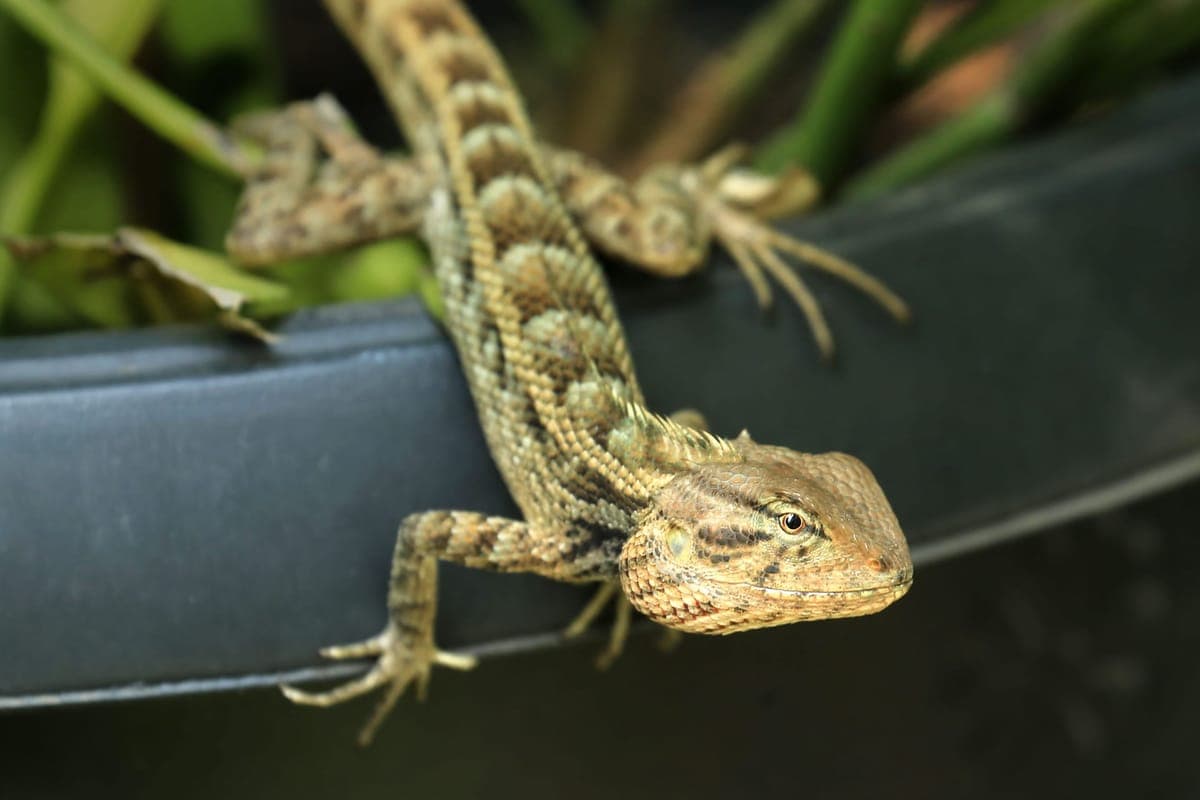
Best overall
Zen Habitats 4x2x2 PVC Reptile Enclosure
A 4x2x2 adult dragon or an adult ball python
Check price on Amazon#ad We may earn a commission. Price and stock are resolved at Amazon.
Bearded dragon · Leopard gecko · Ball python · Crested gecko
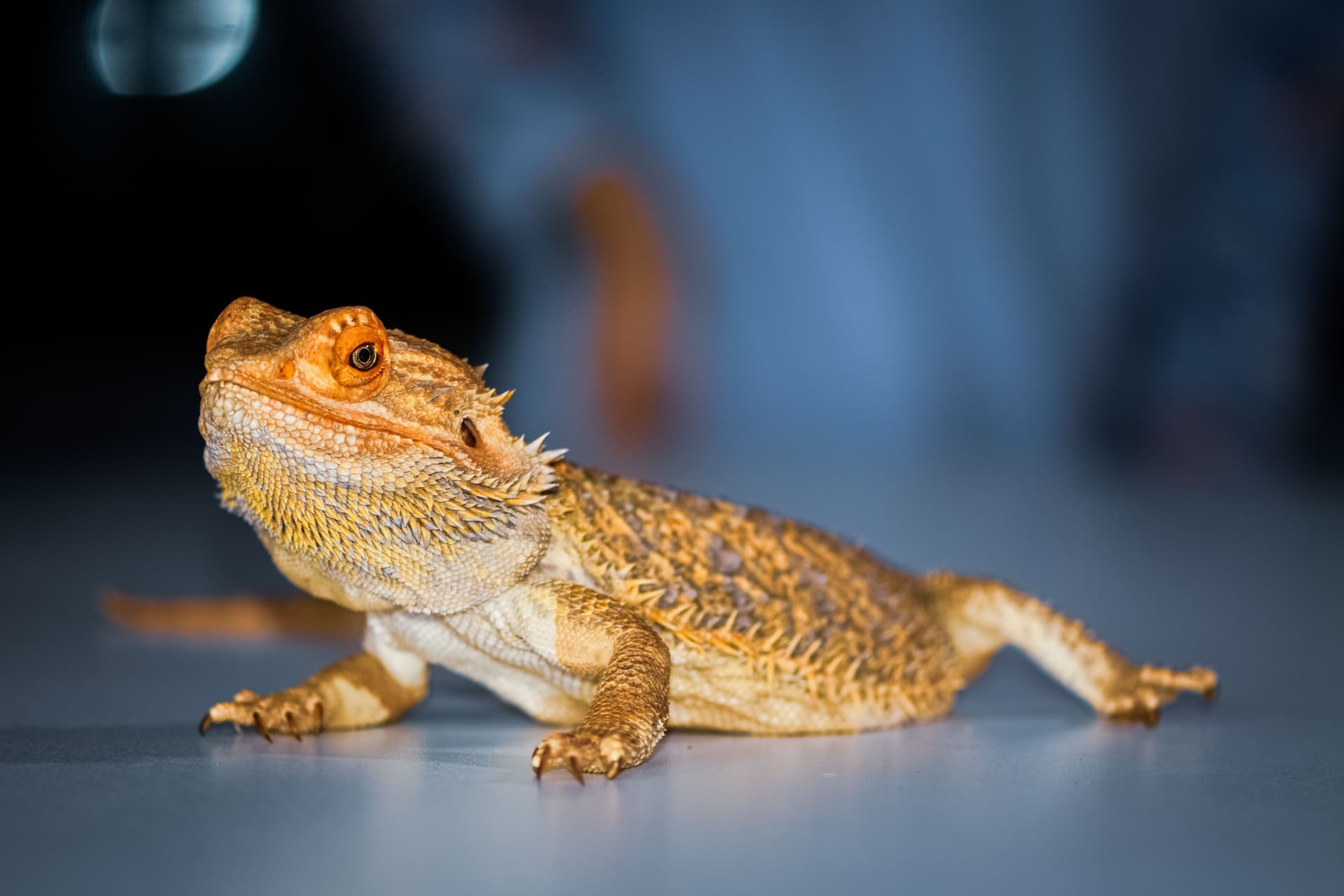
Enclosure sizes, UVB targets, basking temperatures and substrate - every figure cited to a published source, every pick scored against criteria we state as numbers.
The top pick from each flagship roundup, with the criteria it was judged against on the page. No price appears on this site - every figure is resolved at Amazon.
Best overall
A 4x2x2 adult dragon or an adult ball python
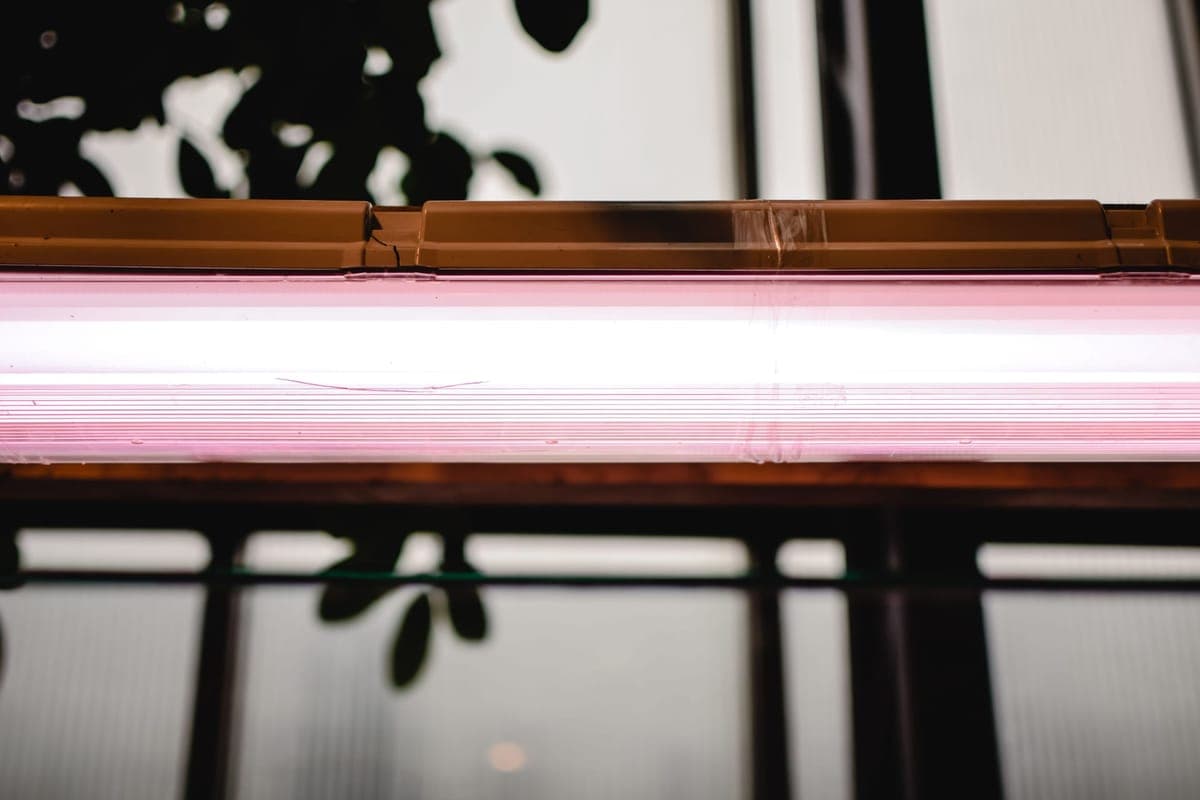
Best UVB bulbs
A bearded dragon in a standard mesh-top enclosure

Best substrate
A bioactive arid build
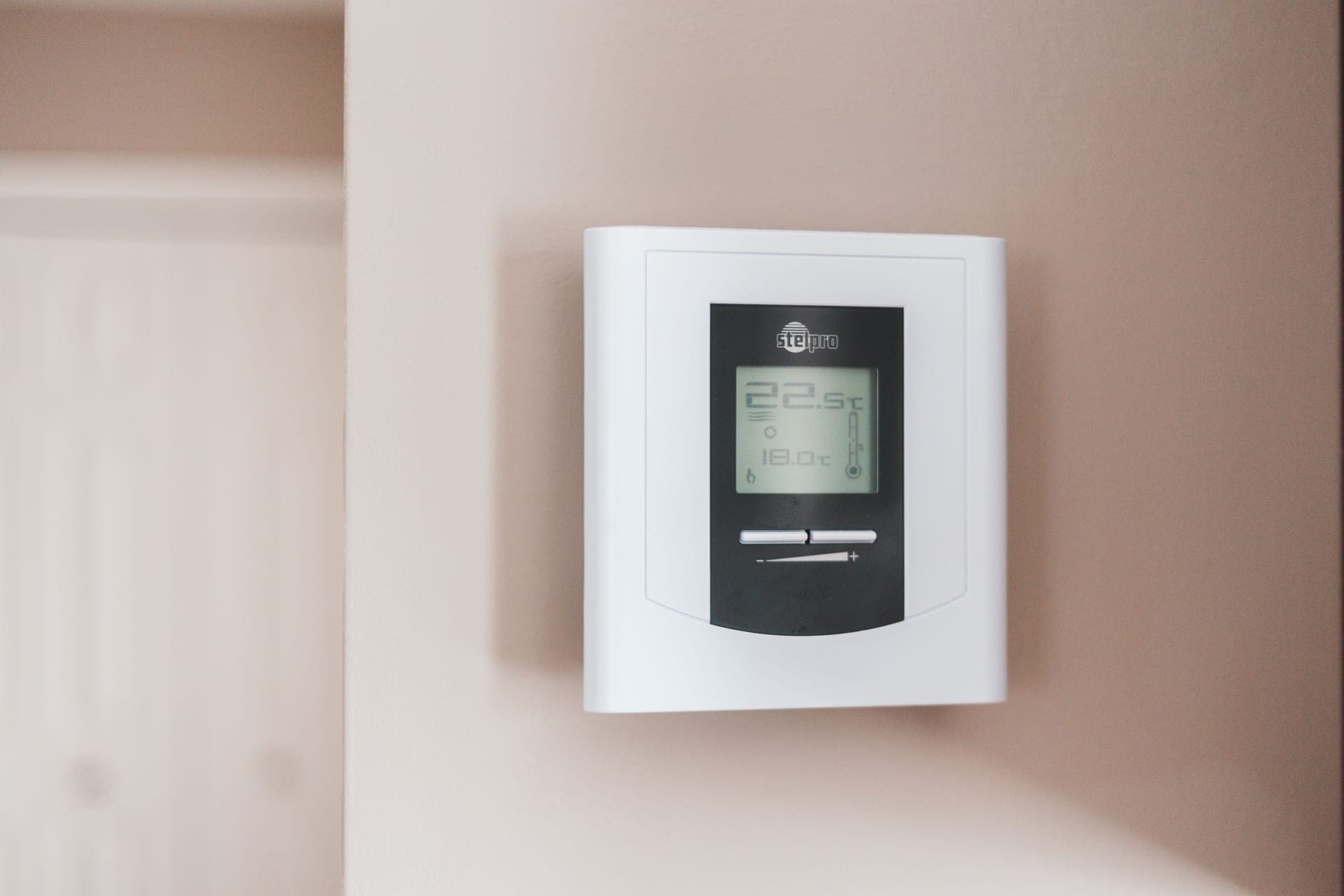
Best thermostats
Running two enclosures, or a basking lamp plus an ambient source
Four species hubs for how demand actually arrives, and two system hubs because the hardware decision cuts across all of them.
Hub
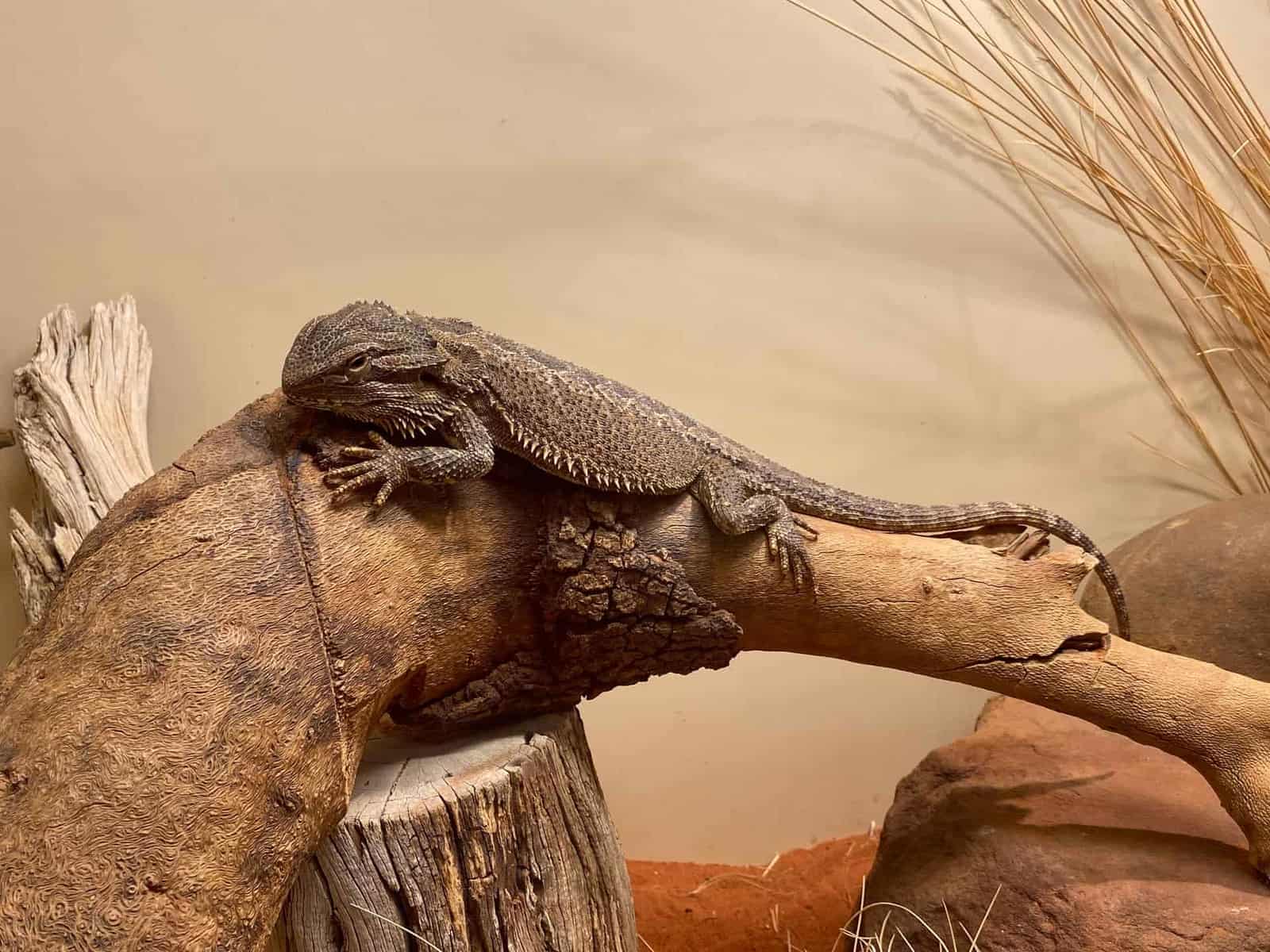
A 4x2x2 is the standard most of the hobby works to. The current published minimum is larger than that. Here is what the numbers actually say, and what to buy once you know them.
Hub
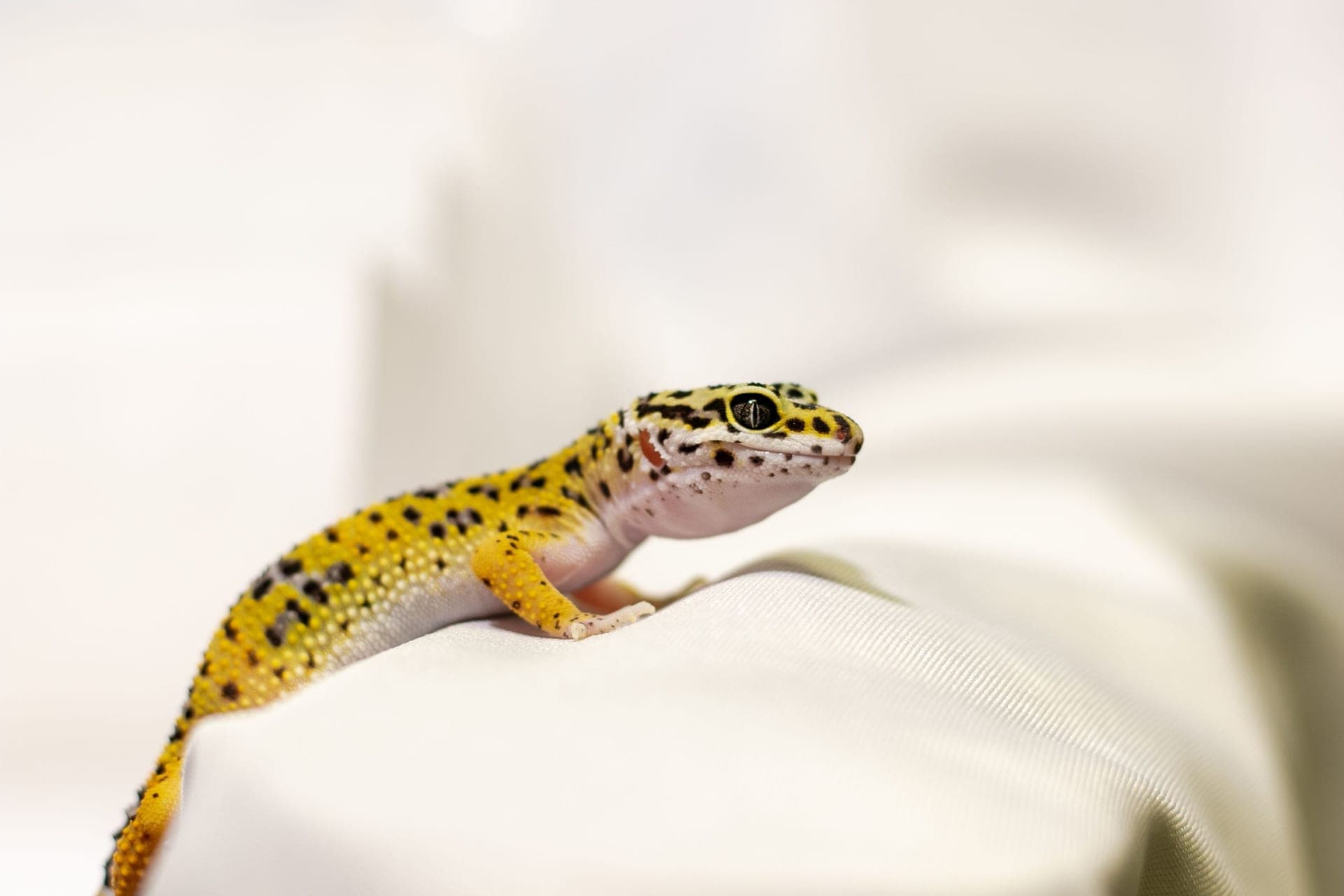
Floor space is the constraint, not height. The published adult minimum is 4.5 sq ft - more than a 20-gallon long gives you.
Hub
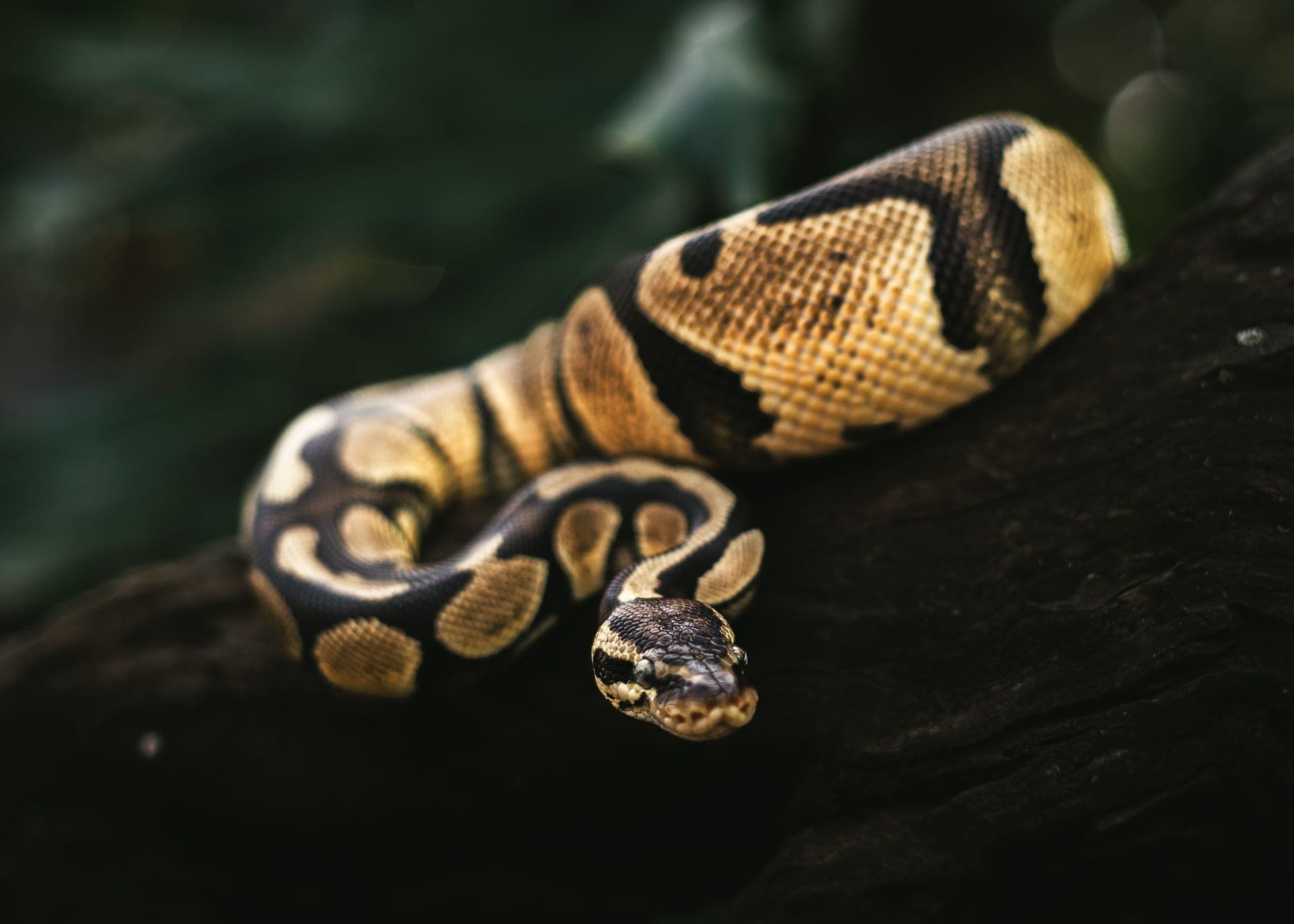
The enclosure should be at least as long as the snake. The idea that ball pythons want to be crammed into a small dark box is a myth the published guidance names as one.
Hub
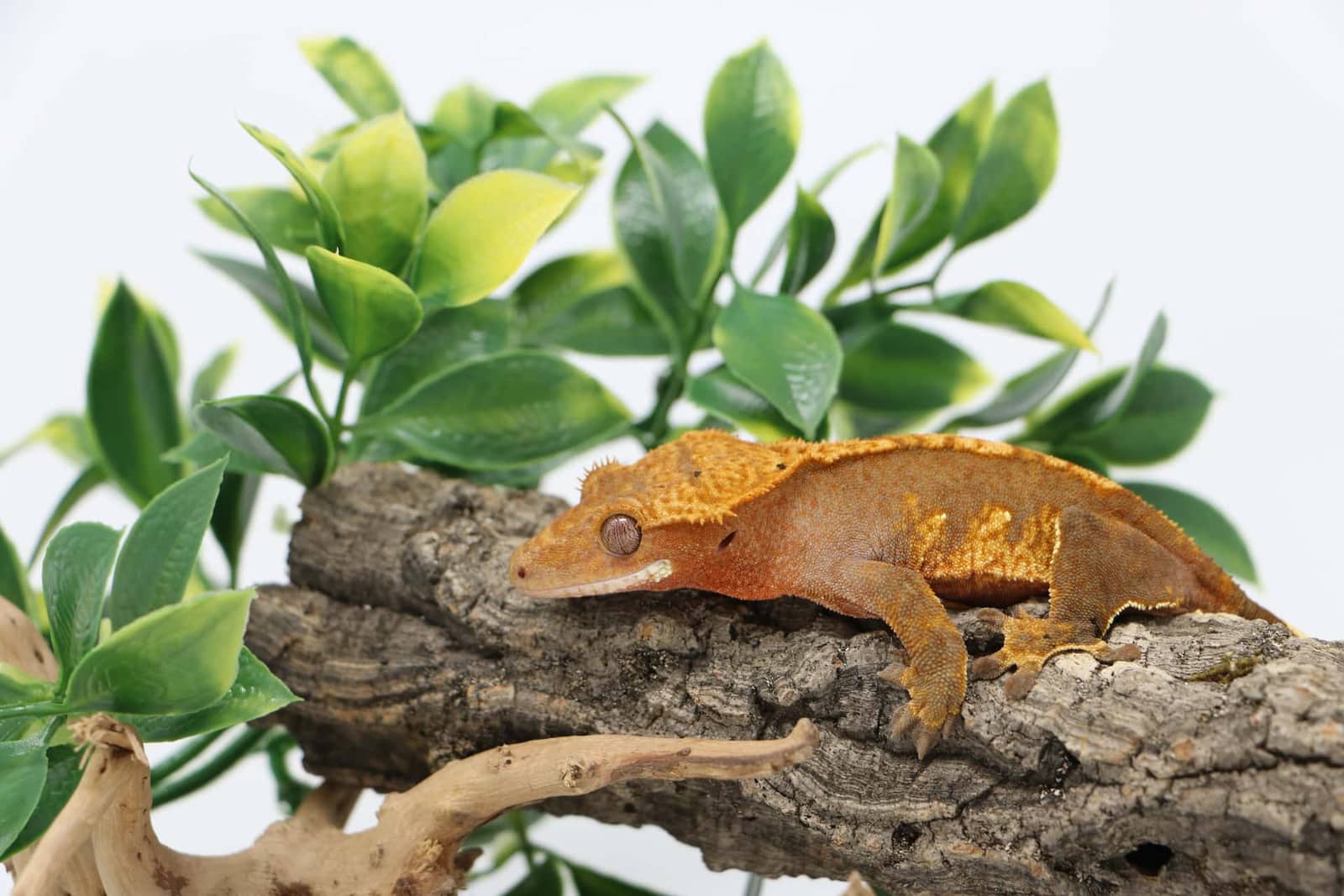
Arboreal, so height is the constraint. And the number most new keepers miss is the ceiling: sustained temperatures above 85 F cause heat stress.
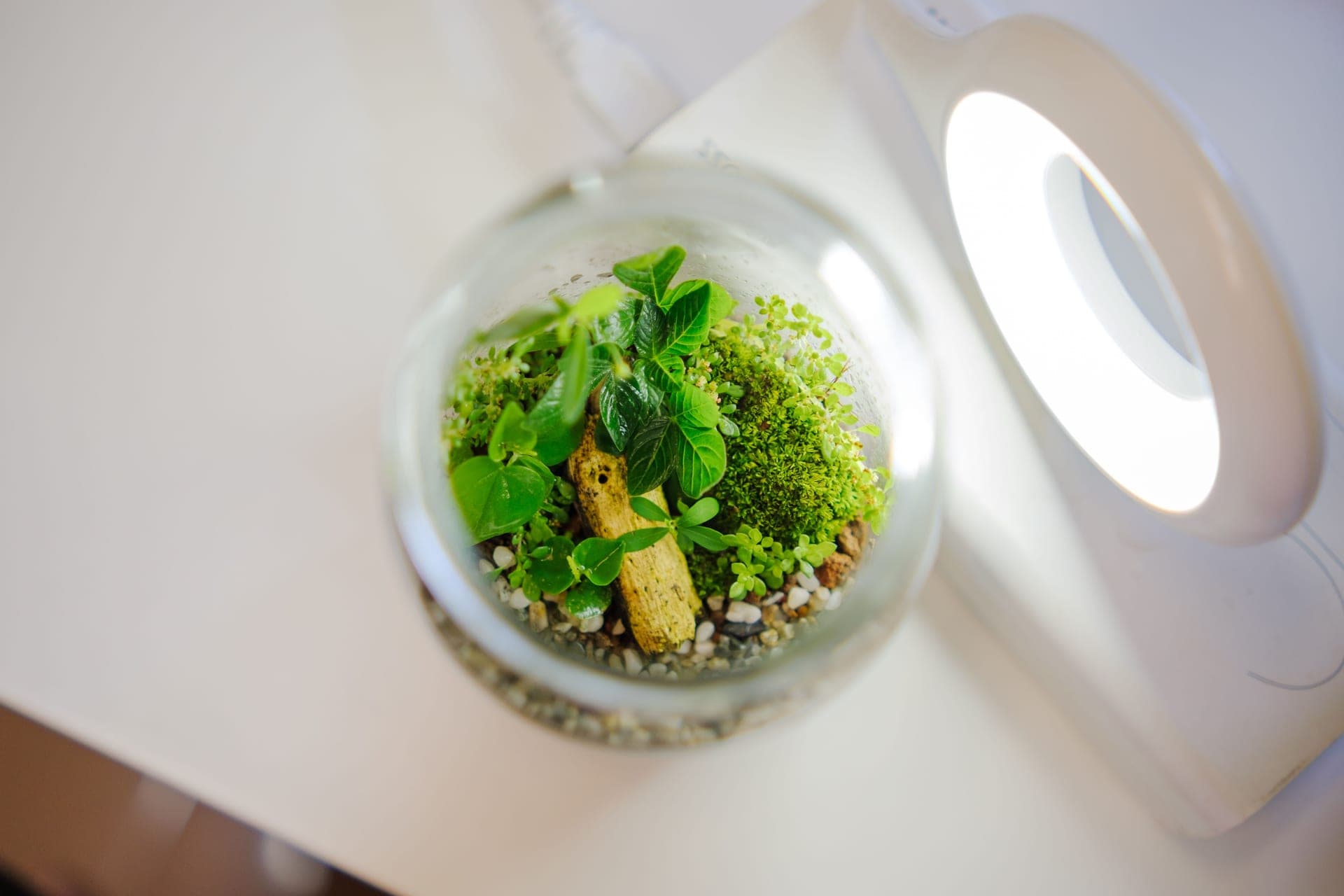
Hub
Wattage and percentage tell you almost nothing on their own. UV index at a stated mount distance is the number that decides whether a lamp is right for your animal.
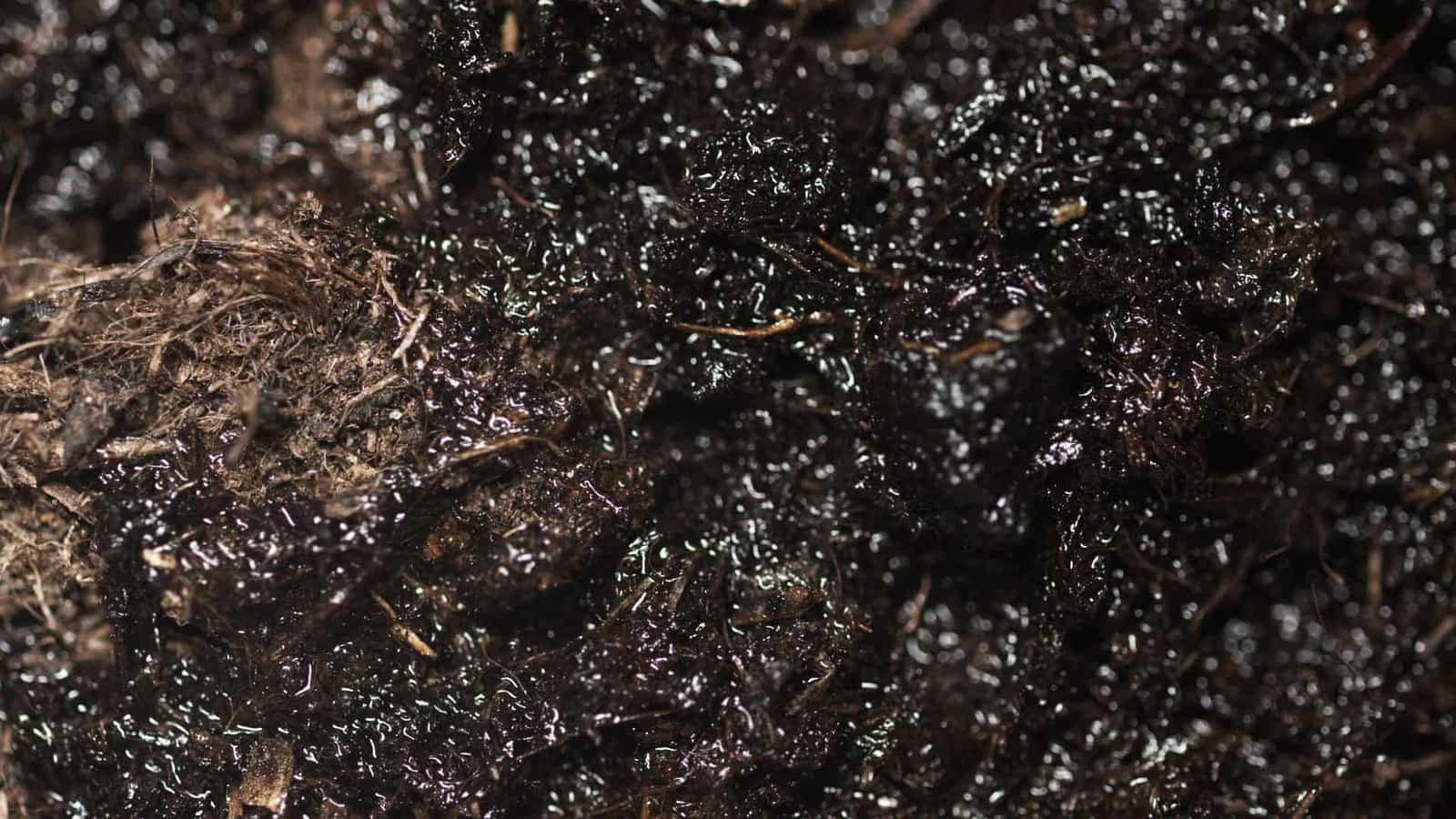
Hub
What the enclosure is made of, sealed with and floored with. This is the part of reptile keeping with the most confident advice and the least cited evidence.
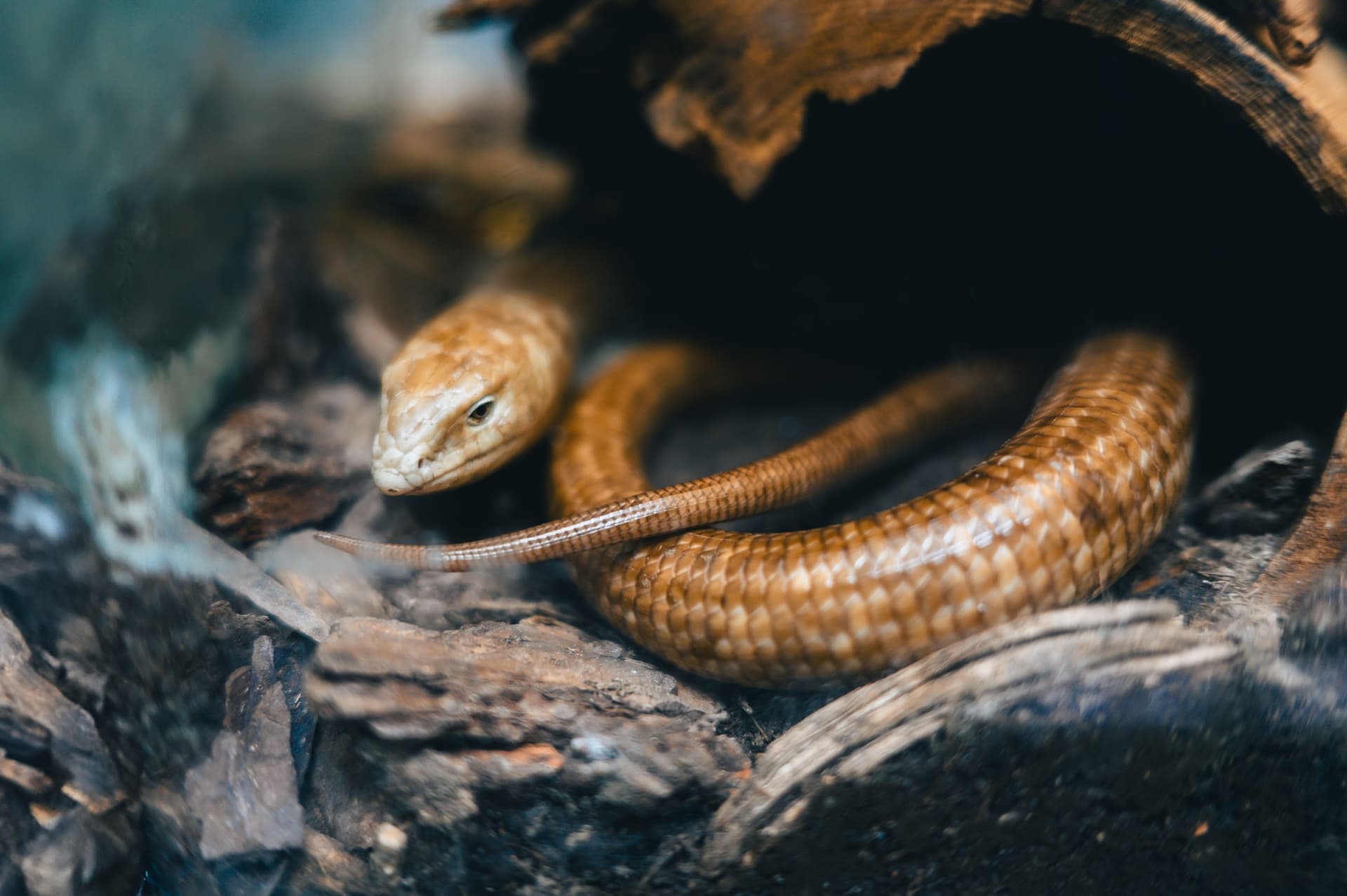
Hub
The cross-species decisions: what material to buy, how big it has to be, whether to build it yourself, and which beginner mistakes are expensive.
Every roundup states its thresholds as numbers - minimum footprint, UVI target, basking surface temperature, thermostat requirement - and scores each pick against them visibly.
This site quotes no prices. Every figure is resolved at the retailer, which means nothing here goes stale or misleads you about what something costs today.
Where a manufacturer publishes no UVI figure, no service temperature or no certification, the page says so instead of recommending anyway.
We do not run a lab and we do not pretend to. Picks are criteria-based evaluation of currently-sold products against published husbandry standards.
The four pages that carry the site's argument.
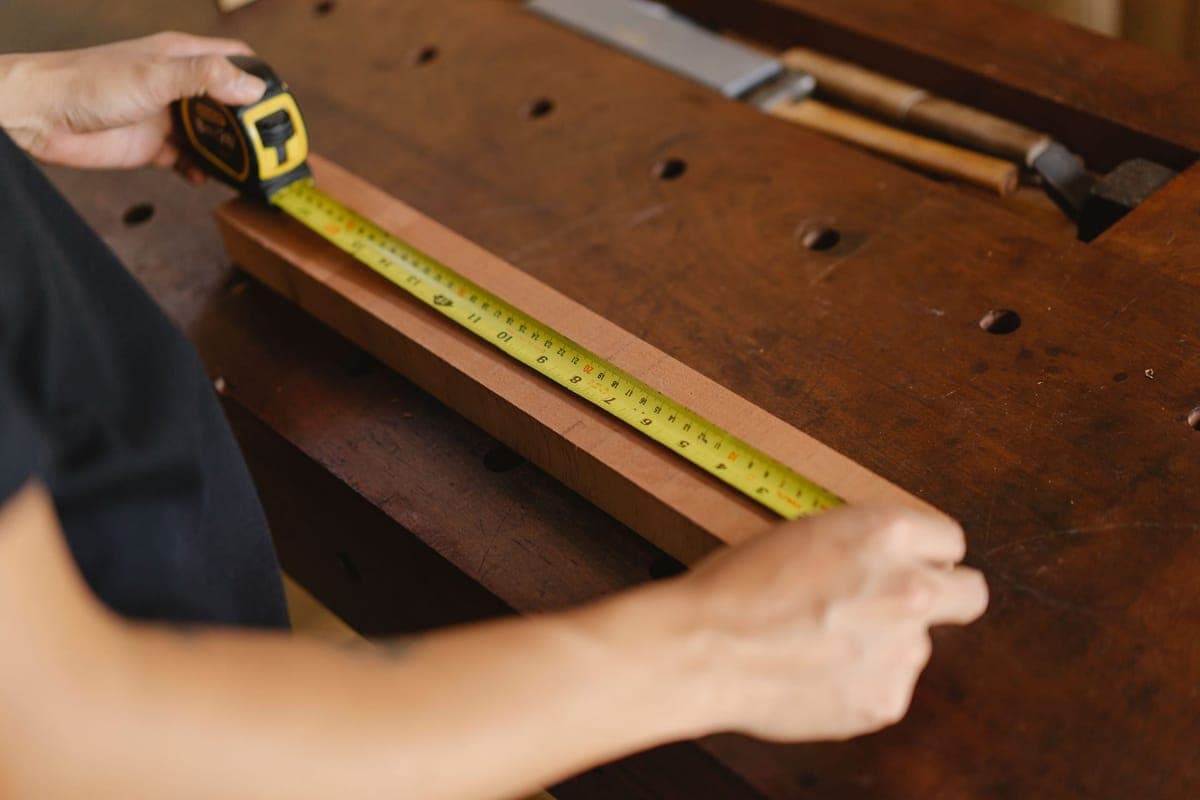
Minimum enclosure footprints by species and life stage, in inches, cm and gallons.
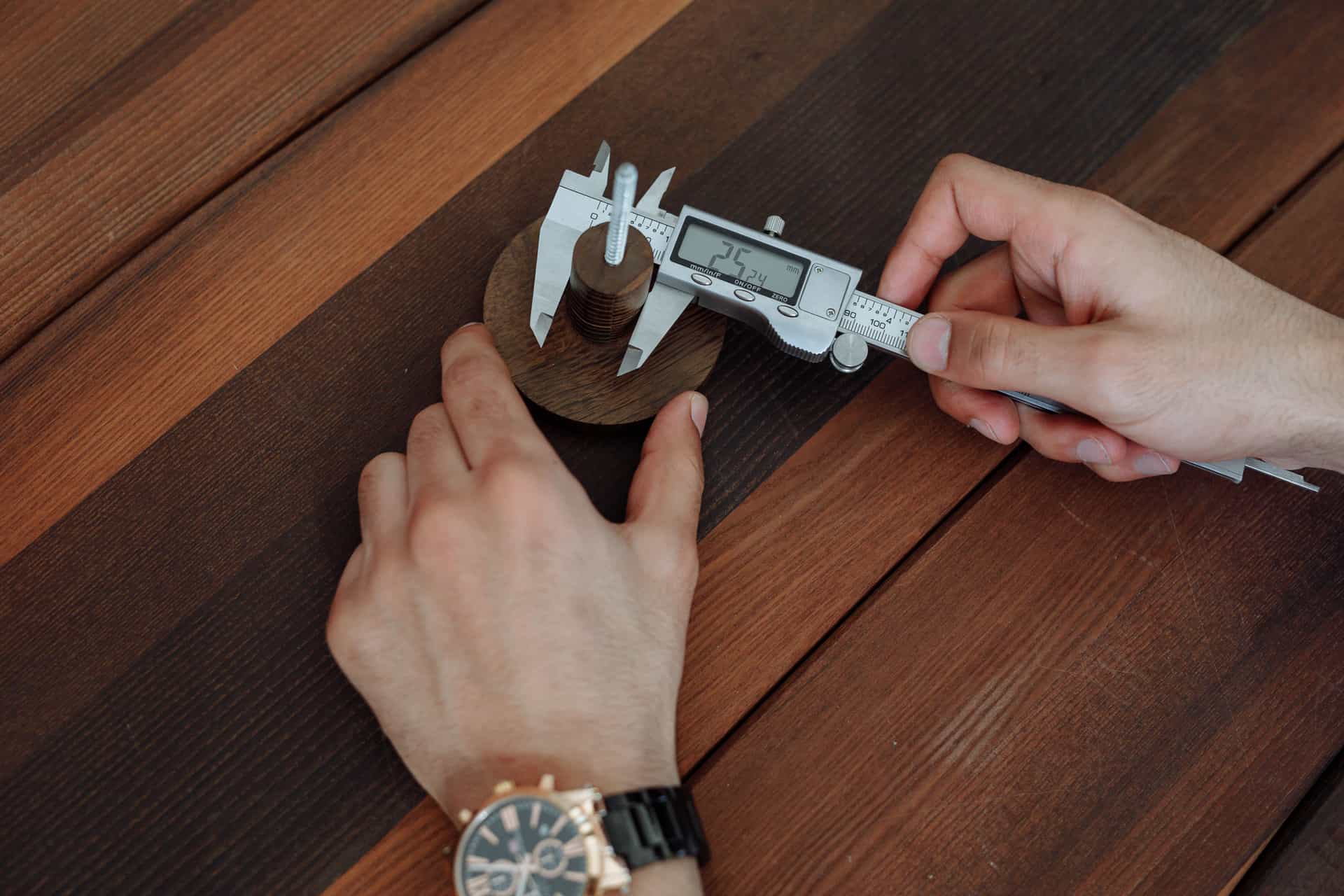
Ferguson zones with published UVI ranges and the mount distance for every lamp class.
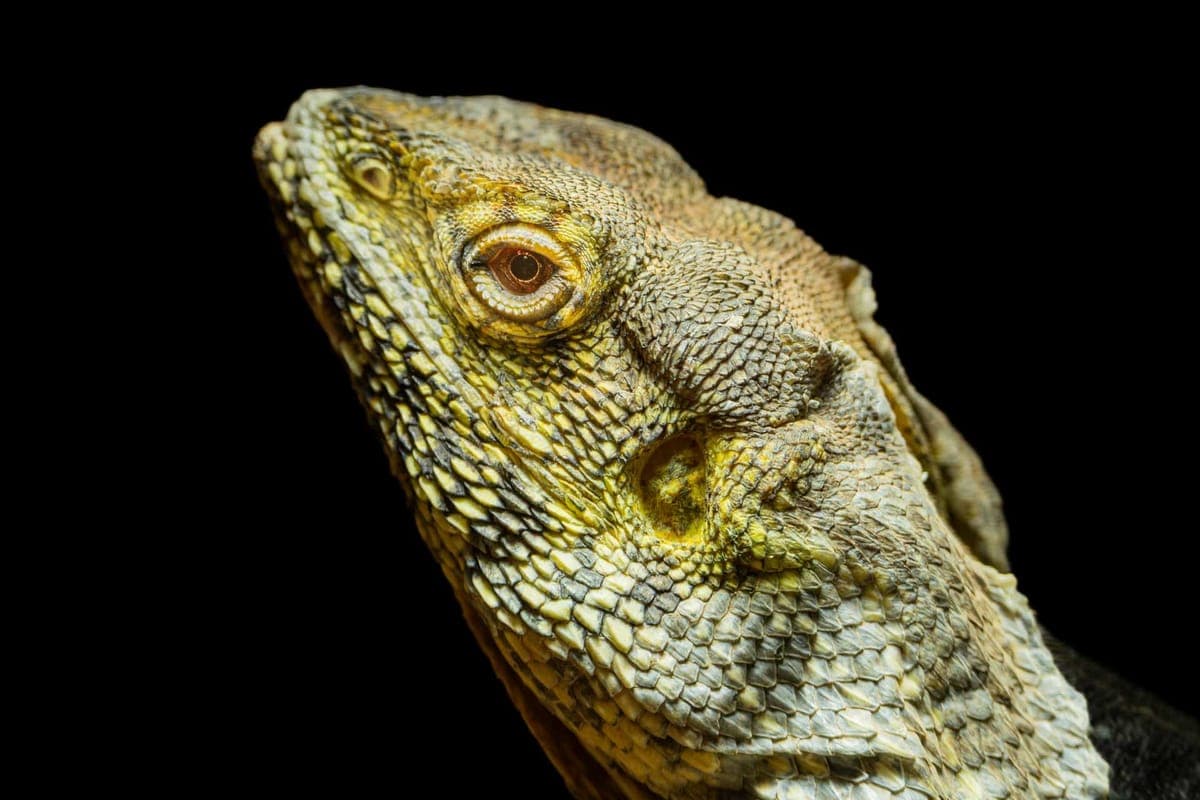
The published causes of impaction, the named hazard substrates, and how to prevent it.
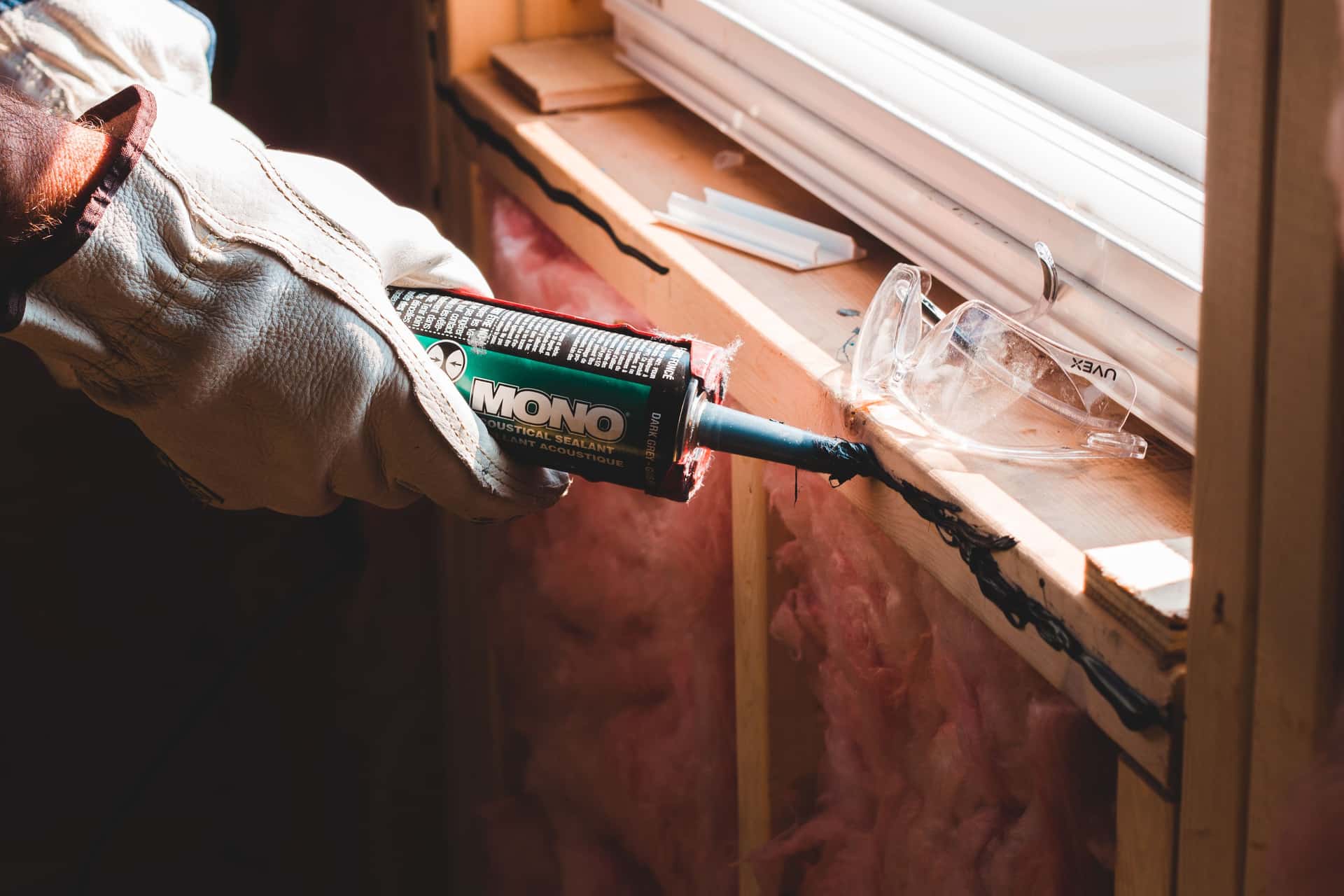
Which sealants to use, the mildewcide rule, and the cure times that have to be respected.
Shed & Bask earns a commission when you buy through a link on this site, as a participant in the Amazon Services LLC Associates Program. Commission does not change what we recommend, or the order we rank things in, or whether we recommend against something. We quote no prices, so we have nothing to gain from a stale number.